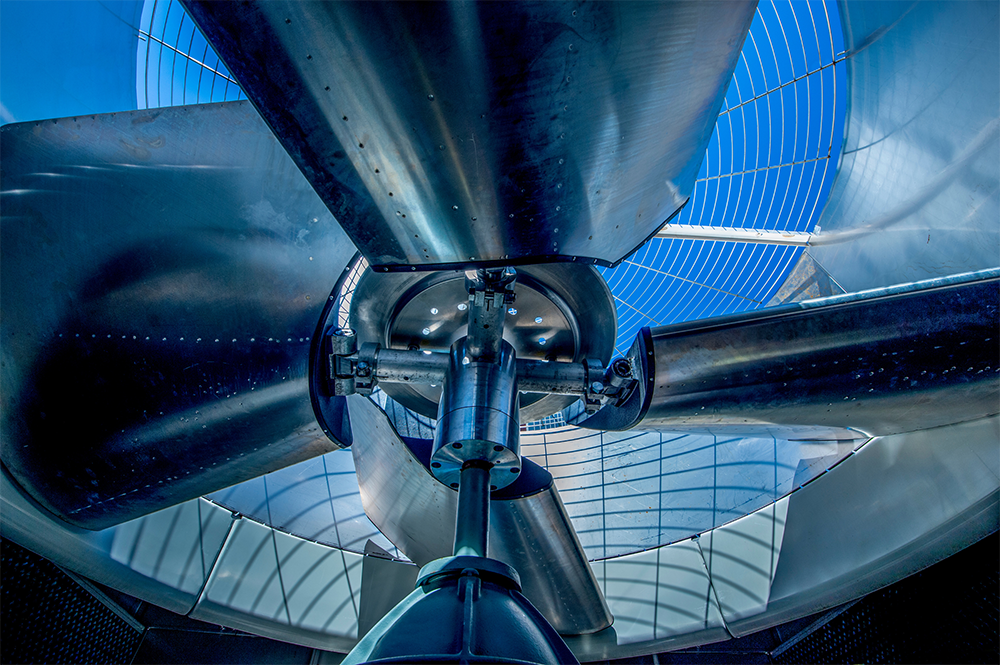
Correcting Fan Vibration
Learn all about fan vibration correction and balancing.

Jon Thornham
Founder
Stock Prep Pulsation
In the realm of paper manufacturing, the stock approach system plays a crucial role in delivering the pulp mixture (stock) to the paper machine. However, one of the persistent challenges faced in this process is pressure pulsations. These oscillations in pressure can disrupt the smooth operation of the paper machine, leading to inefficiencies, quality issues, and even mechanical failures if not addressed promptly. This article explores in-depth the causes, effects, and effective solutions for mitigating pressure pulsations in paper machine stock approach systems.

1.
Pump Operation: Variations in pump speed, wear of impellers, or inefficient pump designs can lead to pulsations in the stock flow.2.
Valve Dynamics: Rapid opening and closing of valves, improper sizing, or inadequate control mechanisms can create pressure fluctuations.3.
System Design: Poor piping layout, insufficient dampening devices, or inadequate reservoirs can amplify pressure pulsations.4.
Stock Consistency: Changes in stock consistency or viscosity can affect the flow dynamics, leading to pressure oscillations.5.
Process Upsets: Sudden changes in production demands or process disturbances can induce pressure variations in the stock approach system.1.
Quality Issues: Variations in stock flow can impact sheet formation and uniformity, resulting in defects such as streaks or holes in the paper.2.
Operational Instability: Pressure pulsations can destabilize the paper machine operation, causing fluctuations in speed and tension control.3.
Equipment Wear: Continuous pressure fluctuations can accelerate wear and tear on pumps, valves, and piping components.4.
Energy Inefficiency: Oscillations in pressure may lead to inefficient energy consumption, affecting overall production costs.5.
Downtime and Maintenance: Frequent pressure-related issues require unplanned maintenance, leading to production downtime and increased costs.1.
Pressure Sensors: Install pressure sensors at critical points in the stock approach system to monitor and analyze fluctuations.2.
Flow Measurement: Use flow meters to track stock flow rates and detect irregularities that may contribute to pulsations.3.
Vibration Analysis: Conduct vibration analysis on pumps and valves to identify mechanical issues contributing to pressure oscillations.4.
Process Data Logging: Implement continuous process data logging to capture transient events and correlate them with pressure pulsations.1.
Pump Performance: Assess pump condition, efficiency, and operating parameters such as speed and flow rate.2.
Valve Dynamics: Evaluate valve performance, response times, and potential for cavitation or hydraulic shock.3.
System Dynamics: Analyze piping layout, resonance frequencies, and potential for pressure waves propagating through the system.4.
Stock Characteristics: Consider changes in stock consistency, viscosity, or temperature that may affect flow dynamics.1.
Pump and Valve Optimization: Upgrade to pumps and valves designed for smoother operation and better control of flow rates.2.
System Redesign: Improve piping layout, minimize bends and elbows, and ensure proper sizing of pipes to reduce turbulence and pressure fluctuations.3.
Dampening Devices: Install surge tanks, accumulators, or pulsation dampeners strategically within the system to absorb pressure surges and maintain steady flow.4.
Valve Control: Implement gradual opening and closing mechanisms for valves to minimize sudden changes in flow rates and pressure.5.
Stock Preparation Control: Maintain consistent stock consistency and viscosity through effective mixing and blending processes.1.
Regular Maintenance: Establish a preventive maintenance schedule for pumps, valves, and instrumentation to ensure optimal performance.2.
Training and Awareness: Train operators and maintenance personnel on the importance of monitoring and addressing pressure pulsations.3.
Process Optimization: Fine-tune process parameters such as stock flow rates and pressures to minimize fluctuations and improve stability.4.
Emergency Response Plan: Develop protocols for responding to sudden pressure-related incidents to minimize downtime and production losses.Let us help you determine the cause of your stock prep pulsation and provide an engineered solution to correct the problem.
A paper mill experienced recurrent quality issues and operational disruptions due to severe pressure pulsations in its stock approach system.
1.
Analysis: Comprehensive monitoring and analysis revealed pump cavitation and valve dynamics as primary contributors to pressure pulsations.2.
Modifications: Upgraded pumps with higher efficiency impellers and installed pressure relief valves to regulate flow and reduce pressure spikes.3.
System Enhancements: Implemented surge tanks at strategic points in the system to dampen pressure fluctuations and ensure steady stock flow.4.
Operational Adjustments: Optimized valve control strategies to minimize abrupt changes in flow rates and pressure.1.
Quality Improvement: Enhanced stability in stock flow led to improved paper sheet formation and reduced defects.2.
Operational Efficiency: Minimized downtime and maintenance costs associated with pressure-related issues.3.
Cost Savings: Achieved energy savings through optimized pump and valve operations.4.
Safety Enhancement: Improved workplace safety with reduced risks of equipment failure and process disruptions.Pressure pulsations in paper machine stock approach systems are complex issues that require systematic diagnosis and targeted solutions. By understanding the causes, employing advanced monitoring techniques, and implementing engineering and operational best practices, paper mills can effectively mitigate pressure fluctuations. Investing in system upgrades, maintenance protocols, and employee training not only enhances operational stability and product quality but also contributes to overall efficiency and sustainability in paper manufacturing processes. With proactive management of pressure pulsation challenges, paper manufacturers can achieve consistent production outcomes and maintain competitive advantages in the industry.
If you are seeing vibration issues on motors, fans, piping, turbines, or structural systems, this article covers only one piece of the diagnostic process. Our comprehensive Vibration Analysis and Engineered Correction guide shows how we use modal testing, ODS, FRFs, FEA, and field measurements to identify root causes and engineer permanent fixes.
Learn all about fan vibration correction and balancing.
Jon Thornham
Founder
Author Details
Founder
Jon Thornham is the founder of Vibration Engineers, a professional mechanical engineer, and entrepreneur focused on solving complex vibration and reliability challenges across industrial sectors.