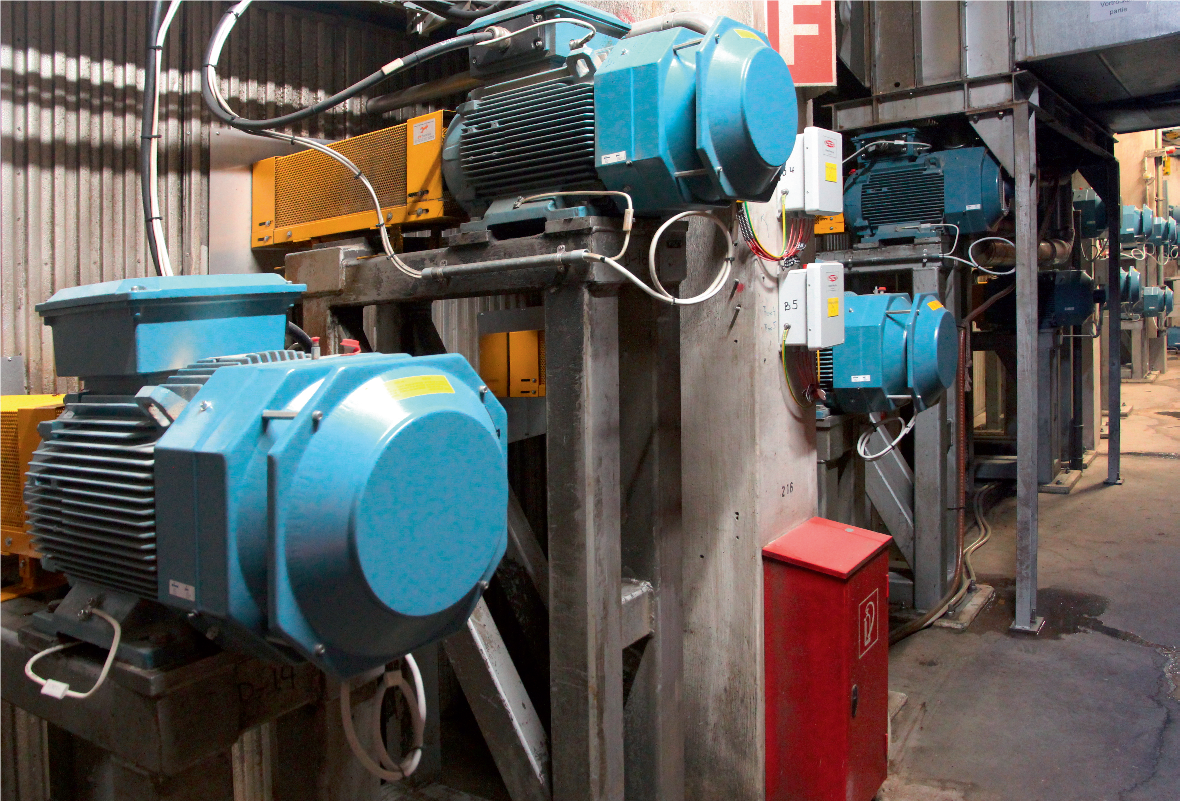
Drive Motor Pedestal Correction
Learn all about press roll barring in paper machines and how to solve the problem.

Jon Thornham
Founder
Winder Reliability
Paper machines are sophisticated and intricate systems crucial to the paper manufacturing process. One of the critical components of these machines is the winder, which rolls the finished paper onto large spools for further processing or shipment. However, winders can experience significant vibration issues that, if left unaddressed, can lead to mechanical failures, reduced paper quality, and increased maintenance costs. This article explores the causes of winder vibrations, with a particular focus on the resonance of the rider roll beam, drum rolls, and the frame, and discusses strategies for correcting these problems.
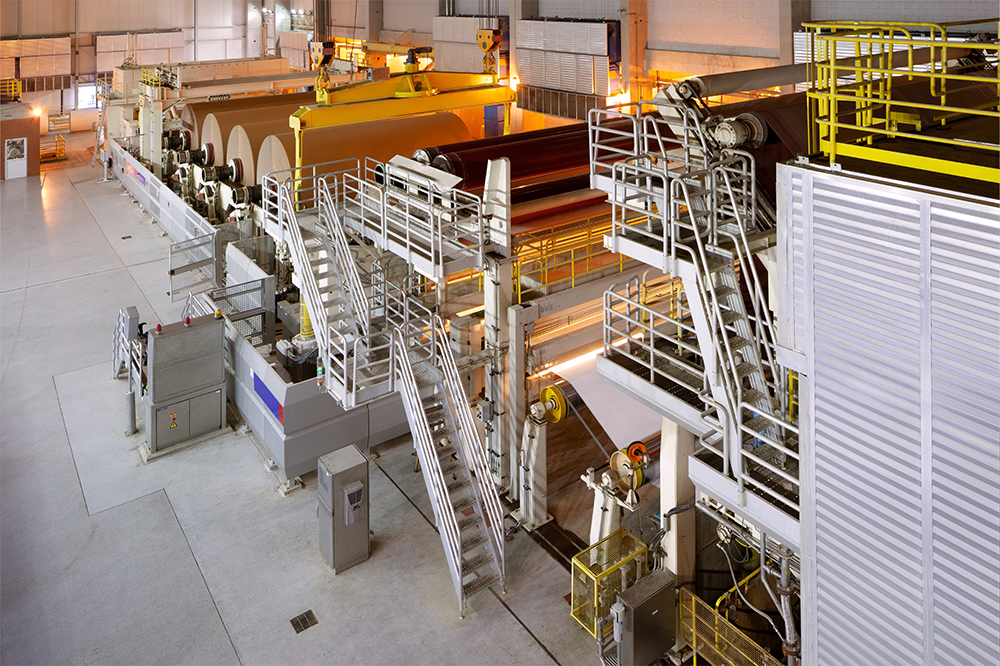
The winder in a paper machine plays a vital role in converting large rolls of paper into manageable sizes for packaging and distribution. It needs to handle the paper web with precision to ensure uniform winding and avoid defects. Any vibration in the winder can compromise the quality of the paper and the efficiency of the operation, making it essential to identify and mitigate these vibrations effectively.
Vibrations in paper machine winders can be attributed to various sources, including mechanical imbalances, misalignment, wear and tear, and external excitations. Understanding these causes is the first step in addressing the issue.
Mechanical imbalances occur when there is an uneven distribution of mass around the rotating components, such as the drum rolls or rider roll beam. This imbalance can generate excessive centrifugal forces, leading to vibrations during operation.
Misalignment of the winder components, such as the drum rolls, rider roll beam, and frame, can cause vibrations. This misalignment can result from poor installation, thermal expansion, or operational stresses.
Over time, components of the winder can wear out, leading to looseness and increased vibration. Bearings, in particular, are susceptible to wear and can contribute significantly to vibration issues if not maintained properly.
External forces, such as fluctuations in the paper web tension, can also induce vibrations in the winder. These excitations can resonate with the natural frequencies of the winder components, amplifying the vibrations.
Resonance is a critical factor in winder vibrations. It occurs when the frequency of external excitations matches the natural frequency of a component, resulting in amplified vibrations. In paper machine winders, resonance can affect the rider roll beam, drum rolls, and frame.
The rider roll beam is a pivotal component that helps apply pressure to the paper roll during winding. Its natural frequency depends on its length, material, and support conditions. When external forces, such as fluctuating web tension or mechanical imbalances, excite the rider roll beam at its natural frequency, resonance can occur, causing significant vibrations.
1.
Frequency Avoidance: Adjust the operational speed of the winder to avoid running at frequencies close to the natural frequency of the rider roll beam.2.
Stiffening the Beam: Increase the stiffness of the rider roll beam by adding reinforcements or using stiffer materials to shift its natural frequency away from the excitation range.3.
Damping: Install damping devices, such as vibration dampers or isolators, to dissipate vibrational energy and reduce the amplitude of resonant vibrations.Drum rolls are essential for winding the paper web onto spools. Their large mass and rotational speed make them susceptible to resonance. If the drum rolls resonate, it can lead to uneven winding and paper defects.
1.
Balancing: Ensure that the drum rolls are precisely balanced to minimize mechanical imbalances that can contribute to resonance.2.
Changing Mass or Stiffness: Adjust the mass distribution or stiffness of the drum rolls to alter their natural frequency. This can be achieved by adding weights or using different materials.3.
Isolation: Use vibration isolation mounts to reduce the transmission of external excitations to the drum rolls.Let us help you increase your winder reliability by providing an engineered solution to correct the problem.
The frame of the winder provides structural support for all its components. If the frame resonates, it can amplify vibrations throughout the entire system, affecting the rider roll beam, drum rolls, and other components.
1.
Structural Reinforcement: Reinforce the frame by adding braces or gussets to increase its stiffness and raise its natural frequency.2.
Vibration Damping: Apply damping materials or devices to the frame to absorb vibrational energy and reduce the impact of resonant frequencies.3.
Finite Element Analysis (FEA): Use FEA to model the frame and identify potential resonance issues. This helps in designing effective structural modifications to mitigate resonance.Vibration testing and analysis are essential for diagnosing and addressing winder vibration issues. These tests help identify the sources and characteristics of vibrations, allowing for targeted mitigation strategies.
1.
Operational Vibration Testing: Measure vibrations during normal operation to assess the current state of the winder and identify real-time issues.2.
Modal Analysis: Determine the natural frequencies and mode shapes of the winder components to predict and mitigate resonance issues.3.
Impact Testing: Use a calibrated hammer to strike the winder components and measure the resulting vibrations, helping to identify dynamic characteristics.1.
Baseline Measurement: Establish a baseline by measuring the current vibration levels of the winder under normal operating conditions. This provides a reference point for future comparisons.2.
Data Collection: Use accelerometers and other vibration sensors to collect data at various points on the winder components. Ensure measurements are taken over a range of operating conditions to capture all potential vibration sources.3.
Data Analysis: Analyze the collected data to identify the frequencies and amplitudes of vibrations. Use spectral analysis to pinpoint specific sources of vibration and assess their severity.4.
Diagnosis and Mitigation: Diagnose the root causes of vibration issues based on the analysis and implement appropriate mitigation measures, such as balancing, alignment, or structural modifications.5.
Verification: Conduct another round of vibration testing after implementing mitigation measures to verify their effectiveness. Ensure that vibration levels are within acceptable limits and that the winder operates smoothly.Balancing is a crucial step in mitigating vibrations caused by mechanical imbalances. This process involves adjusting the mass distribution of rotating components to ensure uniform centrifugal forces during operation.
1.
In-Situ Balancing: Perform balancing on-site to address real-time issues without the need for disassembly. Use balancing machines and techniques to add or remove weights from the rotating components.2.
Precision Balancing: Ensure that balancing is performed with high precision to achieve the desired level of smooth operation. Use advanced balancing equipment and software for accurate results.Proper alignment of the winder components is essential to minimize vibrations caused by misalignment. This involves ensuring that all rotating and stationary parts are correctly positioned relative to each other.
1.
Laser Alignment: Use laser alignment tools to achieve precise alignment of the winder components. This method provides high accuracy and reduces the risk of human error.2.
Regular Maintenance: Implement a regular maintenance schedule to check for misalignment and correct it promptly. This helps prevent misalignment issues from escalating into more significant problems.Structural modifications can significantly enhance the stability and vibration resistance of the winder. This involves reinforcing critical areas and improving the overall design.
1.
Reinforcing Weak Areas: Strengthen areas of the winder frame that are prone to resonance or excessive stress. Add braces, gussets, or thicker materials to increase stiffness and shift natural frequencies.2.
Vibration Isolation: Install vibration isolation mounts or pads to reduce the transmission of vibrations to the supporting structure. This helps isolate the winder from external excitations.3.
Design Optimization: Use FEA and other design tools to optimize the layout and structure of the winder. Identify potential weak points and design modifications to enhance stability and reduce vibrations.Ongoing monitoring and maintenance are essential for sustaining the effectiveness of vibration mitigation measures. This involves regularly checking the winder components for signs of wear, misalignment, or other issues.
1.
Condition Monitoring: Implement condition monitoring systems that continuously track vibration levels and other critical parameters. Use sensors and data analytics to detect issues early and take corrective action.2.
Scheduled Inspections: Conduct scheduled inspections of the winder components to identify and address potential problems before they escalate. Follow a detailed maintenance plan to ensure all parts are checked regularly.Addressing vibration problems in paper machine winders is critical for maintaining operational efficiency, product quality, and equipment longevity. By understanding the causes of vibrations, particularly resonance in the rider roll beam, drum rolls, and frame, and implementing effective mitigation strategies, paper manufacturers can ensure smooth and reliable winder operation.
Balancing, alignment, structural modifications, and regular monitoring are essential components of a comprehensive vibration mitigation plan. Through meticulous analysis, targeted corrective measures, and ongoing maintenance, the challenges associated with winder vibrations can be effectively managed, leading to improved performance and reduced downtime in paper manufacturing operations.
If you are seeing vibration issues on motors, fans, piping, turbines, or structural systems, this article covers only one piece of the diagnostic process. Our comprehensive Vibration Analysis and Engineered Correction guide shows how we use modal testing, ODS, FRFs, FEA, and field measurements to identify root causes and engineer permanent fixes.
Learn all about press roll barring in paper machines and how to solve the problem.
Jon Thornham
Founder
Author Details
Founder
Jon Thornham is the founder of Vibration Engineers, a professional mechanical engineer, and entrepreneur focused on solving complex vibration and reliability challenges across industrial sectors.